Many types of cancer are induced by the food we
eat. More than a third of all cancers could be prevented by changes in diet and
exercise. Cancer can be prevented or
helped by adding some fruits to our diet, as can many other modern day
ailments. Last time we introduced the benefits of variety of food, especially
in vegetables. Now here are some specific fruits and why they are so good for
you:

PINEAPPLE: The
enzyme bromelain may inhibit the growth of malignant cells in both lung and
breast cancer, while the phenolic compounds also provide a protective benefit.
APPLE: Can one
a day help keep cancer at bay? Studies show quercetin may reduce the risk of
lung cancer and impede growth of prostate cancer cells. Other antioxidants,
together with pectin, help halt colon and liver cancer cell replication.
BERRIES:
Blueberries, cranberries, cherries, raspberries, strawberries and grapes are
all rich in anthocyanins that repair and protect DNA. Researchers have shown
blueberries contain pterostilbene, anthocyanins, proanthocyanidins,
resveratrol, flavonols, and tannins, which inhibitmechanisms of cancer cell
development. Besides this, blueberry can also alleviate the effects of
Alzheimer’s disease, prevent urinary tract infections, and reduce blood
sugar.
GRAPES
A grape is a perennial and deciduous woody vine. Its berries can be eaten raw or be made into juice, jam, jelly, wine, raisins, and others. Grapes are found in almost all parts of the world. Grapes contain phytochemicals such as resveratrol which has been positively implicated to inhibit any type of cancer.
DRAGON FRUIT
Dragon fruit is rich in phytoalbumin antioxidants which help carcinogenic free-radical formation in the body. It is also rich in fiber, calcium, phosphorus, and vitamins C and B2, as well as its helps excrete metal toxins from the body.
CITRUS FRUITS
Citrus fruits include orange, lemon, grapefruit, etc. This kind of fruits contains a large number of bioflavonoids, which can enhance the activity of certain enzymes in human skin, lung, stomach and liver, and change the fat-soluble carcinogenic substance into water-soluble, so as to make them not easy to be absorbed and can be expelled out of the body. At the same time, they can enhance the absorptive capacity of vitamin C by the human body. Vitamin C is an important cancer substance, which can enhance human immunity, prevent the formation of nitrosamines--a strong carcinogen. What's more, it also has certain effect in the prevention and treatment of gastrointestinal cancer.
AVOCADO
Avocados contain lutein, an anti-cancer carotenoid. Lutein lowers the risk of prostate cancer in men and protects eyes against fatal diseases like macular degeneration and cataracts. Another cancer-fighting component of avocado is glutathione that can significantly cuts the incidence of oral and pharyngeal cancer. Avocados are also rich in potassium, vitamins, and heart-healthy fats.
ACAI BERRIES
Laboratory studies have shown that acai berries can kill off cancer cells. Extracts from the berries can induced the death of leukemia cells. Other beneficial contents of acai are its antioxidants (found to be twice than in blueberries), omega fatty acids, protein, vitamins A and C, iron, and fiber.
NONI
According to recent studies, noni has properties that may be beneficial in preventing cancer. The extract from the tropical plant indicates some anti-cancer properties useful for the immune system. Moreover, noni contains carbohydrates, dietary fibers, niacin, calcium, iron and potassium.
GOJI BERRIES
It has been found out that goji berries contain selenium, a trace mineral that acts an antioxidant which can neutralize free radicals that damage cells and cause cancer. Goji berries are also rich in other nutrients and phytochemicals like amino acids, carotenoids like beta-carotene and zeaxanthin, polysaccharides, antioxidants, calcium, potassium, iron, zinx, and riboflavin.
MANGOSTEEN
Mangosteen is anti-cancer and helps cancer prevention.
Various studies have shown that phytoceuticals in Mangosteen (in some cases known to be its xanthones) have properties such as: anti-tumor (shrinks tumors), anti-leukemia, antifungal (critical for all cancer patients), antibacterial (to protect DNA), antioxidants (at least two dozen different kinds of xanthones are in the mangosteen fruit), antiproliferation, kills cancer cells and causes apoptosis (programmed cell death) for some types of cancer. This is a pretty impressive list of cancer credentials! This fruit has countless health benefits like ant-ulcer, anti-aging, antiviral, antibiotic, antifungal, anti-depressant, anti-obesity, anti-allergenic, anti-cataract, and many more. Mangosteen also contains: catechins, polyphenols, minerals and vitamins.
SOURSOP
Soursop has anti-cancer characteristics and is best for all types of cancer. The fruit is also anti-stress, anti-bacterial, antifungal, anti-depressant, and anti-worms.
POMEGRANATE
Studies have reported that the fruits contain phytochemicals that can suppress aromatase, an enzyme which converts androgen into estrogen and which is associated with breast cancer. Furthermore, clinical trials have shown the pomegranate extracts can prevent prostate cancer in men.
KIWI
Kiwi contains plenty of vitamins, especially vitamin C, the content of which is 4 to 12 times as that of orange. Through the researches in recent years, it is confirmed that kiwi contains a kind of active ingredient, which can block the formation of carcinogenic "nitrosamines" in the human body. As a result, it has a good effect in preventing cancer.
GRAPES
A grape is a perennial and deciduous woody vine. Its berries can be eaten raw or be made into juice, jam, jelly, wine, raisins, and others. Grapes are found in almost all parts of the world. Grapes contain phytochemicals such as resveratrol which has been positively implicated to inhibit any type of cancer.
DRAGON FRUIT
Dragon fruit is rich in phytoalbumin antioxidants which help carcinogenic free-radical formation in the body. It is also rich in fiber, calcium, phosphorus, and vitamins C and B2, as well as its helps excrete metal toxins from the body.
CITRUS FRUITS
Citrus fruits include orange, lemon, grapefruit, etc. This kind of fruits contains a large number of bioflavonoids, which can enhance the activity of certain enzymes in human skin, lung, stomach and liver, and change the fat-soluble carcinogenic substance into water-soluble, so as to make them not easy to be absorbed and can be expelled out of the body. At the same time, they can enhance the absorptive capacity of vitamin C by the human body. Vitamin C is an important cancer substance, which can enhance human immunity, prevent the formation of nitrosamines--a strong carcinogen. What's more, it also has certain effect in the prevention and treatment of gastrointestinal cancer.
AVOCADO
Avocados contain lutein, an anti-cancer carotenoid. Lutein lowers the risk of prostate cancer in men and protects eyes against fatal diseases like macular degeneration and cataracts. Another cancer-fighting component of avocado is glutathione that can significantly cuts the incidence of oral and pharyngeal cancer. Avocados are also rich in potassium, vitamins, and heart-healthy fats.
ACAI BERRIES
Laboratory studies have shown that acai berries can kill off cancer cells. Extracts from the berries can induced the death of leukemia cells. Other beneficial contents of acai are its antioxidants (found to be twice than in blueberries), omega fatty acids, protein, vitamins A and C, iron, and fiber.
NONI
According to recent studies, noni has properties that may be beneficial in preventing cancer. The extract from the tropical plant indicates some anti-cancer properties useful for the immune system. Moreover, noni contains carbohydrates, dietary fibers, niacin, calcium, iron and potassium.
GOJI BERRIES
It has been found out that goji berries contain selenium, a trace mineral that acts an antioxidant which can neutralize free radicals that damage cells and cause cancer. Goji berries are also rich in other nutrients and phytochemicals like amino acids, carotenoids like beta-carotene and zeaxanthin, polysaccharides, antioxidants, calcium, potassium, iron, zinx, and riboflavin.
MANGOSTEEN
Mangosteen is anti-cancer and helps cancer prevention.
Various studies have shown that phytoceuticals in Mangosteen (in some cases known to be its xanthones) have properties such as: anti-tumor (shrinks tumors), anti-leukemia, antifungal (critical for all cancer patients), antibacterial (to protect DNA), antioxidants (at least two dozen different kinds of xanthones are in the mangosteen fruit), antiproliferation, kills cancer cells and causes apoptosis (programmed cell death) for some types of cancer. This is a pretty impressive list of cancer credentials! This fruit has countless health benefits like ant-ulcer, anti-aging, antiviral, antibiotic, antifungal, anti-depressant, anti-obesity, anti-allergenic, anti-cataract, and many more. Mangosteen also contains: catechins, polyphenols, minerals and vitamins.
SOURSOP
Soursop has anti-cancer characteristics and is best for all types of cancer. The fruit is also anti-stress, anti-bacterial, antifungal, anti-depressant, and anti-worms.
POMEGRANATE
Studies have reported that the fruits contain phytochemicals that can suppress aromatase, an enzyme which converts androgen into estrogen and which is associated with breast cancer. Furthermore, clinical trials have shown the pomegranate extracts can prevent prostate cancer in men.
KIWI
Kiwi contains plenty of vitamins, especially vitamin C, the content of which is 4 to 12 times as that of orange. Through the researches in recent years, it is confirmed that kiwi contains a kind of active ingredient, which can block the formation of carcinogenic "nitrosamines" in the human body. As a result, it has a good effect in preventing cancer.
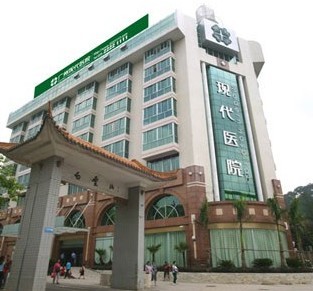
There are many other fruits that good for our health. However, Experts from Modern Cancer Hospital Guangzhou reminded us that it's best to eat a variety of fruits and vegetables rather than relying on one particular produce item to serve as a magic bullet against disease. What’s more, we should not overestimate their anticancer-effect, since they can keep us always from cancer, once one already got cancer, he/she should go to hospital for regular treatment as soon as possible.


